
Navigating Commercial Construction During Winter in Pittsburgh
December 21, 2025by TBI ContractingConstruction
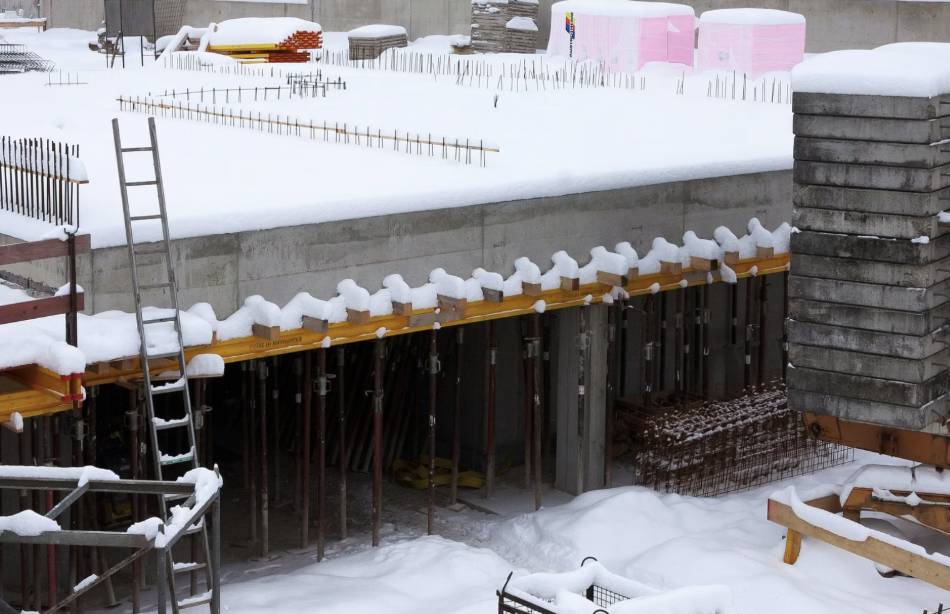
Winter brings unique demands for commercial construction projects, especially in Pittsburgh, where freezing temperatures, snow, and variable weather are part of everyday life. For developers, property managers, and business owners, winter construction is not just about pushing forward. It is about planning smarter, reducing risk, and working with contractors who understand local conditions and regulations.
Commercial construction during colder months is entirely possible when approached strategically. With the right materials, scheduling, and experienced teams, winter can even become an advantage rather than a limitation.
Key Takeaways
- Winter construction in Pittsburgh requires specialized planning and materials
- Weather-related delays can be reduced with experienced project management
- Safety and compliance are more critical during cold and icy conditions
- Working with a local commercial contractor improves efficiency and outcomes
Understanding Winter Construction Challenges in Pittsburgh
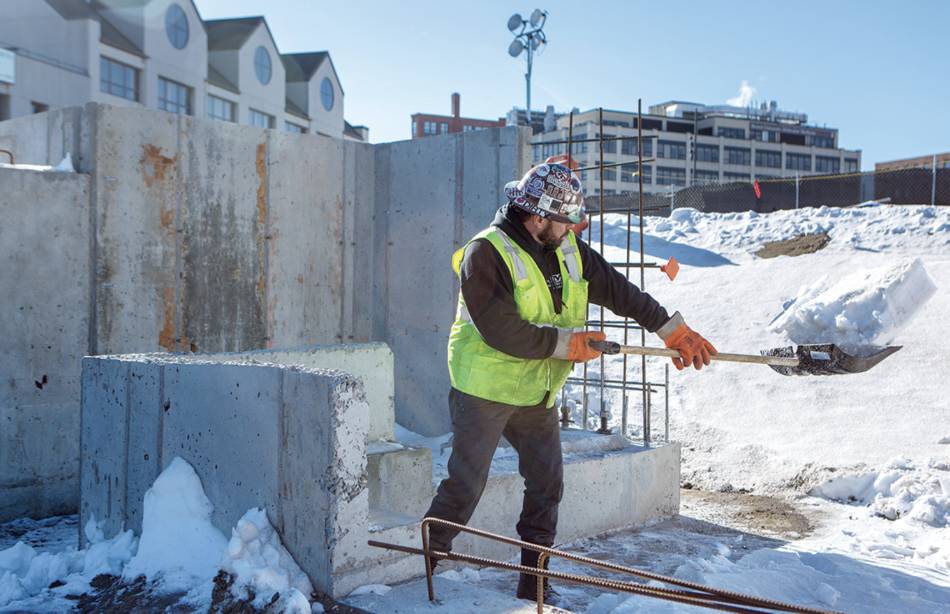
Pittsburgh’s winters are known for fluctuating temperatures, snowfall, ice accumulation, and reduced daylight hours. These factors directly affect construction timelines, safety protocols, and material performance.
Temperature-Sensitive Materials
Many construction materials are prone to deterioration when exposed to freezing temperatures if not appropriately handled. Concrete, adhesives, sealants, and coatings all require specific conditions to cure properly.
Pro tip: Heated enclosures and cold-weather mixes allow concrete pours and masonry work to continue without compromising structural integrity.
Weather-Driven Scheduling Delays
Snowstorms and freezing rain can disrupt deliveries, limit site access, and slow exterior work. Without proactive scheduling, these delays can cascade across the entire project timeline.
Experienced commercial contractors plan winter buffers into schedules and prioritise interior work during the harshest periods.
Safety Risks on Active Sites
Icy surfaces, reduced visibility, and cold stress increase safety risks for construction crews. OSHA compliance and site-specific safety plans become even more critical in the winter months.
A professional contractor will implement daily site inspections, snow removal plans, and cold-weather safety protocols to protect both workers and property.
Why Winter Can Be the Right Time for Commercial Projects
While winter construction presents challenges, it also offers several strategic benefits for commercial clients.
Faster Permit Approvals
Municipal departments often process permits faster during the off-peak winter season, reducing administrative delays and allowing projects to move forward sooner.
Better Contractor Availability
Winter schedules are typically less congested. This can translate into better access to skilled labor, more flexible timelines, and increased focus on your project.
Cost Control Opportunities
Some material suppliers and subcontractors offer more competitive pricing during slower months. With careful planning, this can support tighter budget control without sacrificing quality.
Commercial Construction Services Built for Winter Conditions
TBI Contracting supports commercial clients year-round with services designed to perform reliably in Pittsburgh’s winter climate. Their experience spans both interior and exterior construction, enabling projects to adapt to changing weather conditions.
Interior Renovations and Fit-Outs
Winter is an ideal time to prioritise interior construction. Services such as office renovations, retail fit-outs, and commercial remodelling can progress with minimal weather impact.
Interior-focused work also allows businesses to prepare for spring openings or expansions without seasonal delays.
Structural and Exterior Preparation
When exterior work is required, cold-weather construction techniques are used to maintain progress. These include temporary weather protection, phased sequencing, and winter-grade materials.
You can explore these capabilities further on the TBI Contracting services page.
Managing Commercial Construction Timelines in Cold Weather
A successful winter build relies heavily on planning and communication. Clear expectations between the contractor and the client are essential.
Phased Construction Planning
Winter projects benefit from phased schedules that alternate between interior and exterior tasks. This reduces downtime when weather conditions limit certain activities.
Pro tip: Ask your contractor how they prioritise critical path items during the winter months to prevent bottlenecks.
Supply Chain Coordination
Material availability can be affected by winter logistics. Proactive ordering and storage planning help avoid last-minute delays caused by weather disruptions to deliveries.
An experienced contractor will coordinate suppliers well in advance and maintain contingency options.
Compliance and Building Codes in Pittsburgh
Winter construction must still meet all local building codes, zoning requirements, and safety regulations. In Pittsburgh, this includes weather-related compliance considerations such as snow load calculations, insulation standards, and energy efficiency requirements.
Working with a contractor familiar with local regulations reduces the risk of inspection delays or rework later in the project lifecycle.
Protecting Long-Term Build Quality
One of the biggest misconceptions about winter construction is that quality is compromised. In reality, quality depends on process, not season.
Material Selection
Cold-weather-rated materials ensure durability and performance long after winter ends. This includes insulation, sealants, and structural components designed for temperature variation.
Quality Control Inspections
Regular inspections and documentation ensure workmanship meets standards at every phase. This is especially important when environmental conditions fluctuate.
Sustainability Considerations During Winter Builds
Modern commercial construction increasingly focuses on sustainability and energy efficiency. Winter construction provides opportunities to enhance both.
Improved insulation, airtight construction, and energy-efficient systems installed during winter can deliver immediate performance benefits once the building is occupied.
Choosing the Right Commercial Contractor for Winter Projects
Not all contractors are equipped to manage winter construction effectively. Experience, local knowledge, and operational discipline make a measurable difference.
When evaluating contractors, look for:
- Proven experience with winter commercial builds
- Strong safety and risk management processes
- Clear communication and scheduling transparency
- Familiarity with Pittsburgh-specific construction challenges
TBI Contracting brings local expertise and year-round operational capability, supporting commercial projects with consistent quality and accountability.
Final Thoughts
Winter commercial construction in Pittsburgh does not have to mean delays or compromises. With the right strategy and an experienced contractor, projects can move forward efficiently while maintaining high safety and construction quality standards.
By addressing seasonal challenges early, prioritising smart scheduling, and leveraging local expertise, winter can become a productive and strategic phase in your commercial construction timeline.